FREQUENTLY ASKED QUESTIONS
Space, time, growing and customers. Answers organised around the questions that come up when exploring a microgreens business.
PARTNERSHIP
Yes — we help you build a clear, practical local sales process. The first three months include 12 individual sessions, supported by the Hy-Farm course platform. We discuss finding suitable restaurants, preparing samples, approaching chefs, follow-up and adapting your offer to local feedback.
The partner remains responsible for prospecting, sales and customer relationships, and results depend on the market and execution. Our role is to provide structure, tools and practical guidance.
The legal structure and tax obligations depend on the country, activity and each operator’s situation. Before starting, consult an accountant or local specialist to confirm the appropriate structure, activity codes and current obligations. Hy-Farm can provide operational information about the system, but does not replace legal or tax advice.
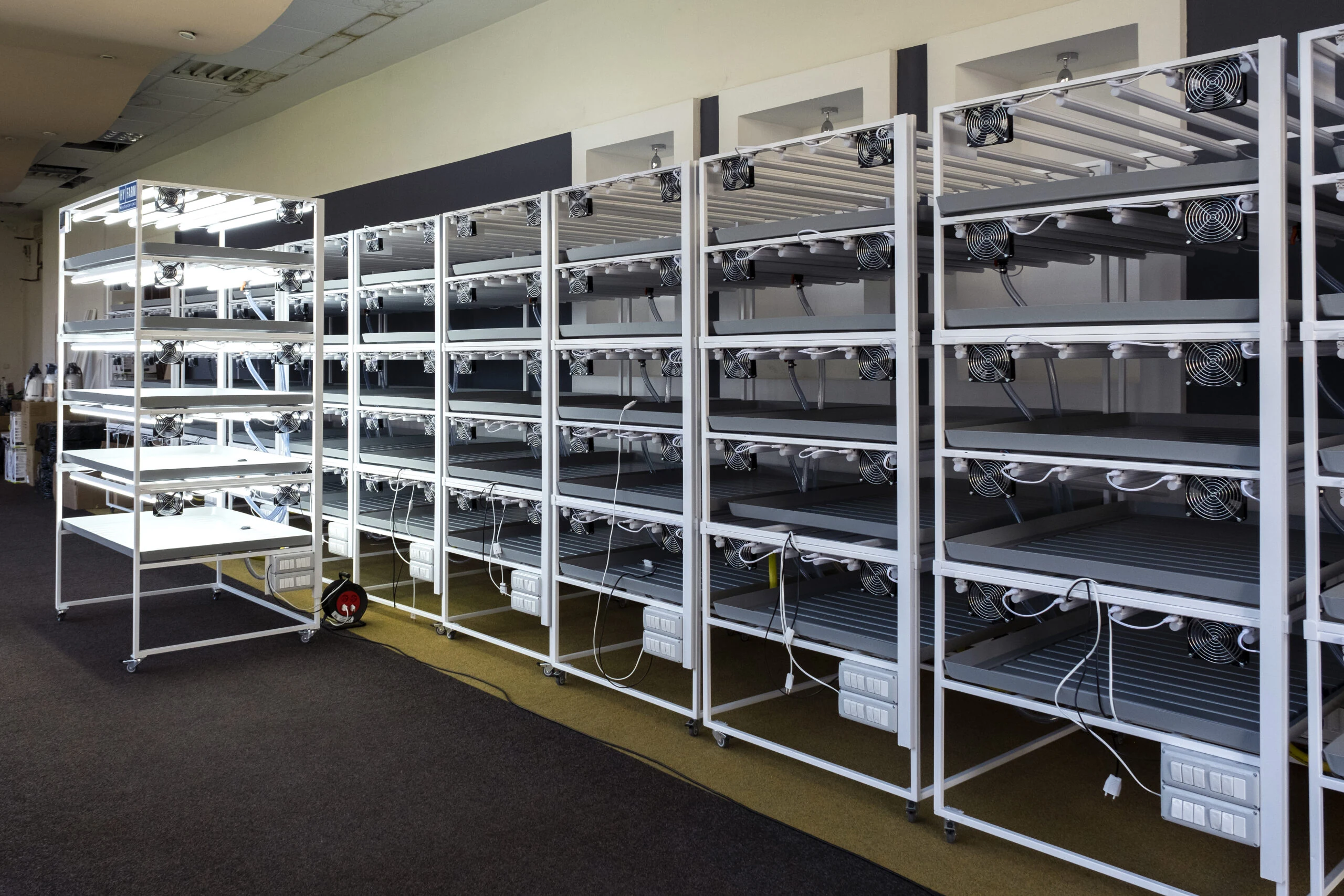
A typical Hy-Farm configuration requires a clean indoor space of around 8–10 m², where growing conditions (temperature and humidity) can be managed and electricity and water are available.
Many partners start by operating one system themselves. For one system, the general activity guideline is around 2–3 hours a day, including production, sales, deliveries and administration. Actual time varies with order volume, experience and organisation. As volume grows, you can decide when additional help becomes useful.
Microgreens are prepared and delivered fresh according to the schedule agreed with each customer. Training covers routines for planning harvesting, preparing orders and organising local deliveries. The exact method must suit the route, volume and applicable food-handling requirements.
The package includes initial materials for 1,000 pots, and partners can continue ordering the seeds, substrate and consumables needed for production.
Good planning starts with real demand. We help you organise sowing and harvesting around customer conversations, samples and repeat orders to reduce avoidable surplus. No food business can promise zero losses, but careful forecasting and regular feedback can help control them.
The initial package includes materials for 1,000 pots. Their duration depends on varieties grown, sowing schedule, samples and sales volume. During onboarding, we help turn the materials into a production plan suited to your local market.
The Hy-Farm system is a one-off purchase, and results cannot be guaranteed. If progress is slower, guidance sessions can help review production, prospecting, follow-up and customer feedback to identify practical next steps.
Documents and permits vary by country, locality, legal structure, premises and distribution method. Before starting, requirements must be confirmed with the relevant local authorities and specialists. Hy-Farm provides the documentation available for the system without promising that it replaces all local approvals.
MICROGREENS
Hy-Farm partners grow indoors with a controlled hydroponic system designed for repeatable year-round routines. Consistent management of light, temperature, hygiene and growing materials can support the colour, texture and freshness of batches.
The difference is completed locally through careful growing, harvesting close to delivery and attentive service. Natural variation is part of working with living plants, and quality depends on applying the process correctly.
Many varieties are ready in around 7–12 days, but the exact cycle depends on the crop and growing conditions. Training covers each variety’s rhythm so sowing and harvesting can be planned around demand.
Demand varies by city, season and customer type. Chefs often seek a balance of flavour, colour, texture and visual impact — from radish and mustard to pea, sunflower and aromatic plants. We help you start with a practical range and adjust it to local feedback.
Microgreens can add freshness, colour, texture and flavour to salads, sandwiches, soups, main courses, drinks and desserts. Some varieties are a finishing touch; others become a central ingredient. Their versatility gives chefs room for creativity.
There are many edible varieties, each with its own flavour, colour, texture and growing rhythm. The useful question is not just how many exist, but which selection suits your customers. Hy-Farm training helps partners build a focused range and expand it based on real demand.
No. Microgreens are harvested at an earlier stage, usually after the first true leaves appear. Baby greens grow longer and are larger at harvest. Both are young edible plants, but differ in size, texture, growing time and culinary use.
GROWING
For one system, the general activity guideline is around 2–3 hours a day. Time varies with production volume, experience and organisation. Include production, finding customers, sales conversations, deliveries and administration in your planning.
Microgreens are grown with the compatible nutrients and materials included in the Hy-Farm process. Correct use depends on variety, water quality and growth stage, so partners receive practical instructions during training.
The system is designed for a suitable indoor space of around 8–10 m², where temperature, humidity, cleanliness and access to utilities can be managed. The proposed space is assessed during planning.
The Hy-Farm indoor system uses dedicated LED lighting, so production does not depend on direct sunlight. The lighting schedule is part of the growing process. Any need for backup power or additional control depends on conditions in the chosen space.
Each variety is sown according to its own growth cycle. By staggering sowing dates and planning backwards from delivery, varieties can reach harvest at the right time. Training includes practical production planning for repeat orders.
YOUR QUESTION
If you have a question about your own space, available time or project direction, tell us about your situation.
We can start the conversation with what you have already clarified and what you still need to understand.
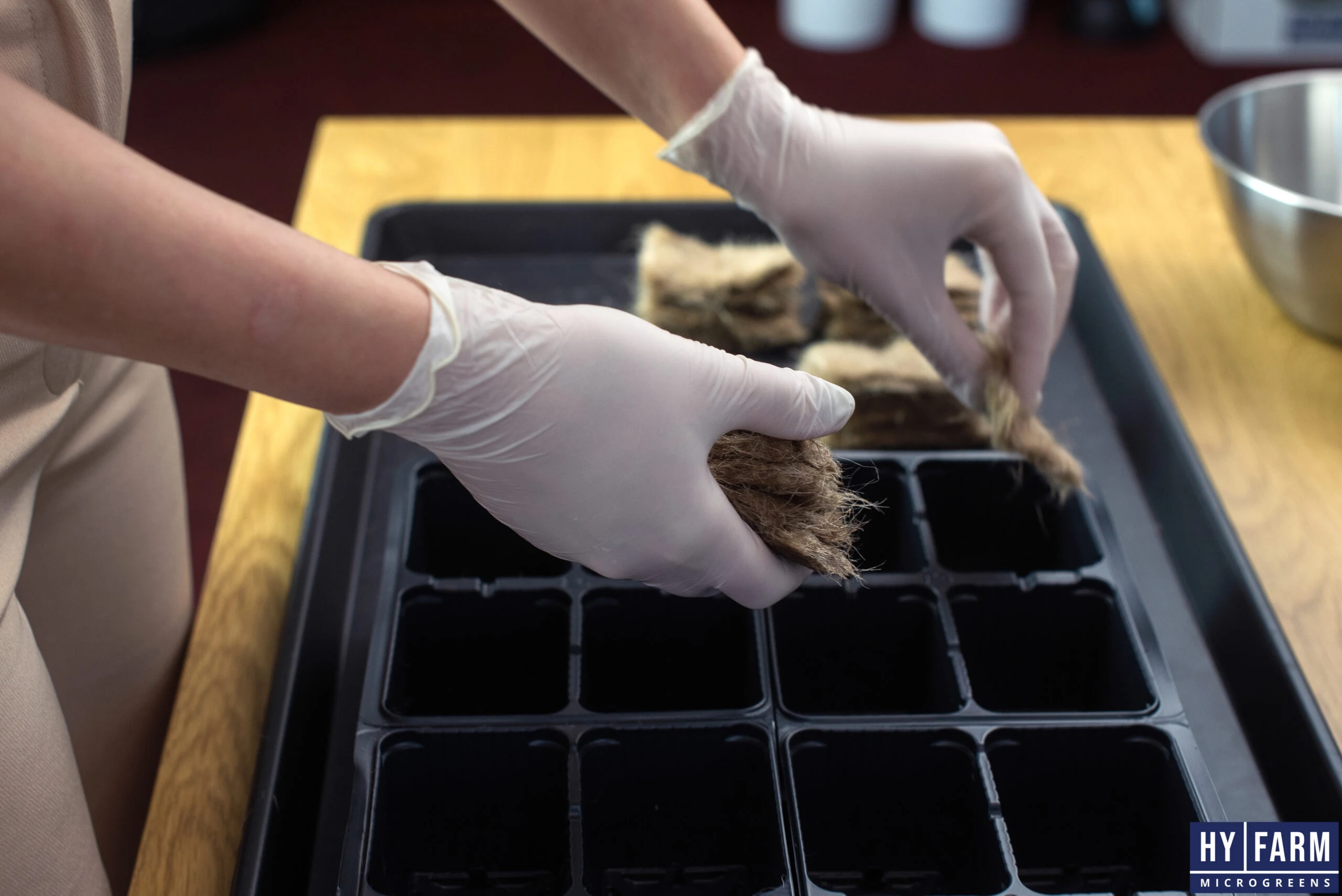
Preparing a Hy-Farm crop.