HY-FARM RESOURCES
Explanations about the system, working routine and responsibilities of a local business. Choose the question that helps you now.
WHERE TO START
What you want to grow, for whom and in what space.
Time for production, customers, deliveries and organisation.
What you receive, learn and build locally.
THE PRACTICAL LIBRARY
01
Hy-Farm is a system for starting a local microgreens business. It combines professional indoor equipment, initial growing materials, production, marketing and sales training, plus 12 individual sessions in the first three months. The operator remains responsible for production, customers, deliveries and administration.
02
A Hy-Farm system usually needs around 8–10 m² of suitable indoor space. Size alone is not enough: the room must also be assessed for operating conditions, access, hygiene, utilities and organisation of the production routine. Exact requirements are checked during qualification.
03
Hy-Farm gives a time guideline of around 2–3 hours a day. Actual time varies with production volume, deliveries, sales activity, distances and team structure. Starting out may require more time for learning and organisation.
04
The system includes professional indoor production equipment, initial materials for 1,000 pots, production, marketing and sales training, 12 individual sessions in the first three months, course platform access and practical guidance. The exact configuration is confirmed in the current commercial documentation.
05
The operator identifies suitable restaurants, starts short conversations, presents relevant samples, gathers feedback and follows up. Hy-Farm offers training and guidance for the process, but does not find customers on the operator’s behalf. Ongoing relationships depend on the product, consistency, communication and fit with the local market.
06
The main responsibilities are consistent production, prospecting, samples, follow-up, deliveries, customer retention and running the business. Results may vary with the market, prices, time invested, costs and execution. The system provides structure and guidance, but does not eliminate commercial or operational risk.
07
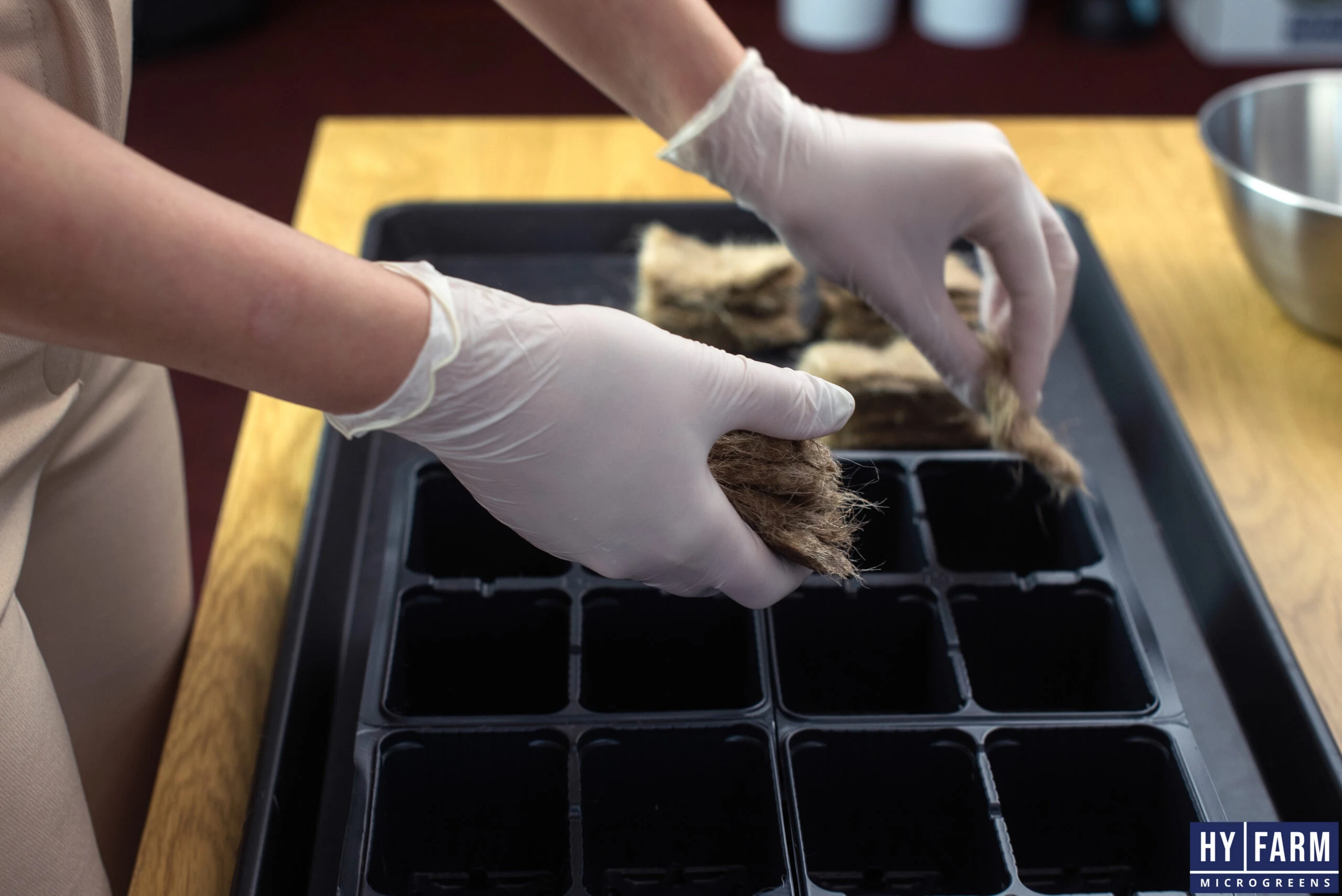
Hy-Farm microgreens are grown indoors without soil. Seeds are distributed in genuine Hy-Farm trays on the system’s verified substrate, then germinate and grow under controlled lighting and irrigation. The operator follows the routine suited to the variety and prepares living produce for delivery.
GROWING AND LOCAL ACTIVITY
The partnership brings together the system, initial materials, training and guidance. The project’s direction defines the configuration and relevant preparation.
The partnership page explains the shared foundation. Dedicated pages go further into the microgreens business, seedlings, hospitality and education.
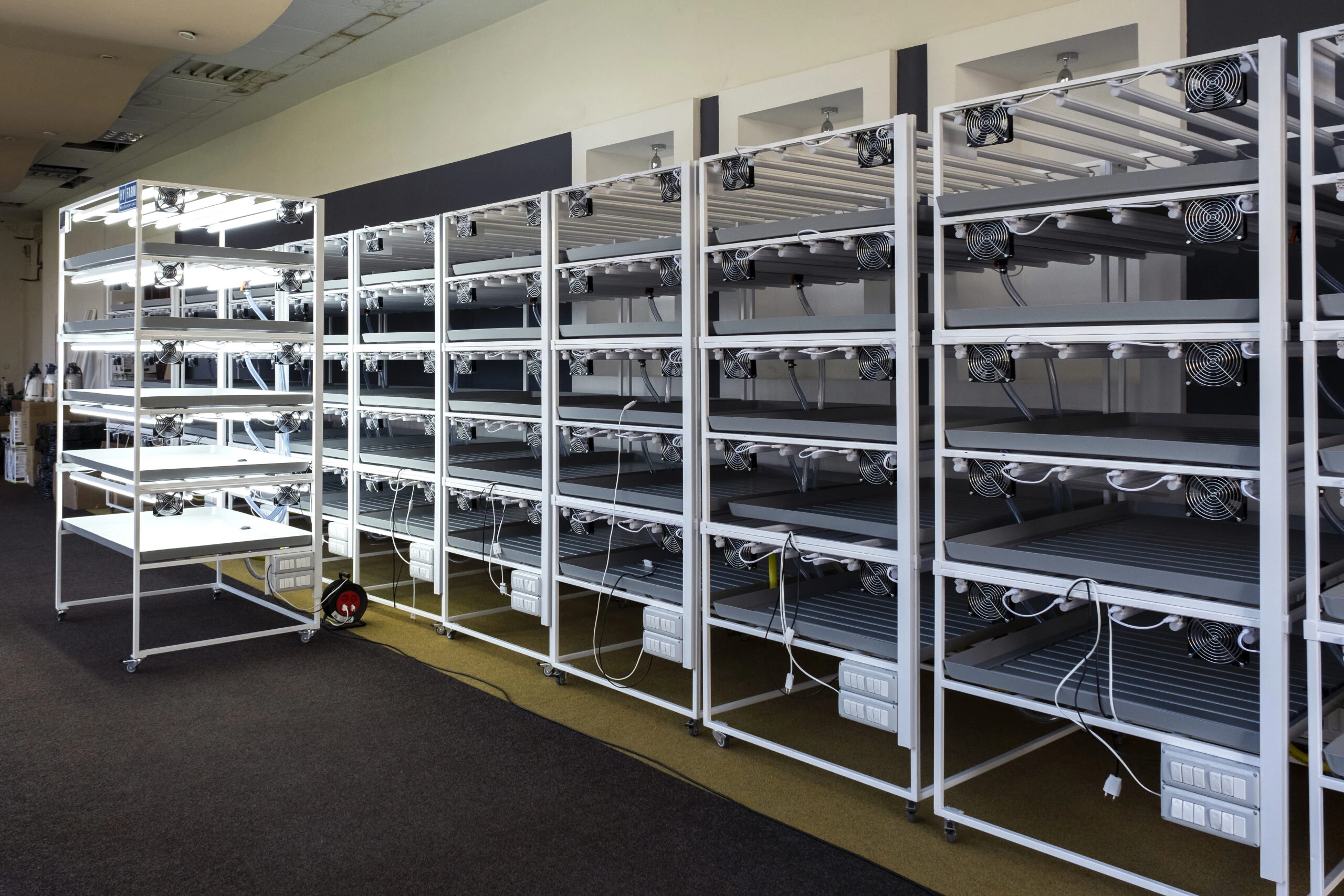
A real Hy-Farm system for indoor growing.
GO FURTHER
Continue in the blog or tell us what you would like to clarify for your situation.
READING