
Hy-Farm Team
MICROGREENS · RESTAURANT RELATIONSHIPS
The restaurant already has a microgreens supplier. Is it still worth approaching?
What to ask, when a trial makes sense and how to recognise a real need.
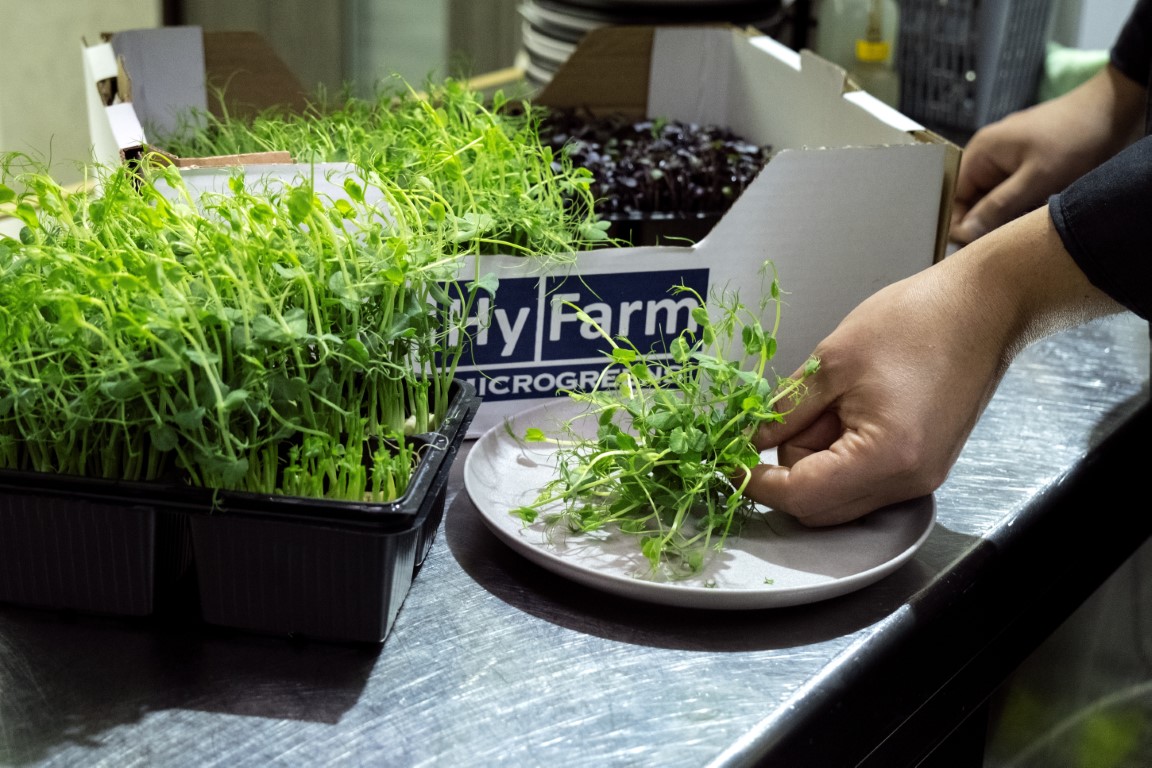
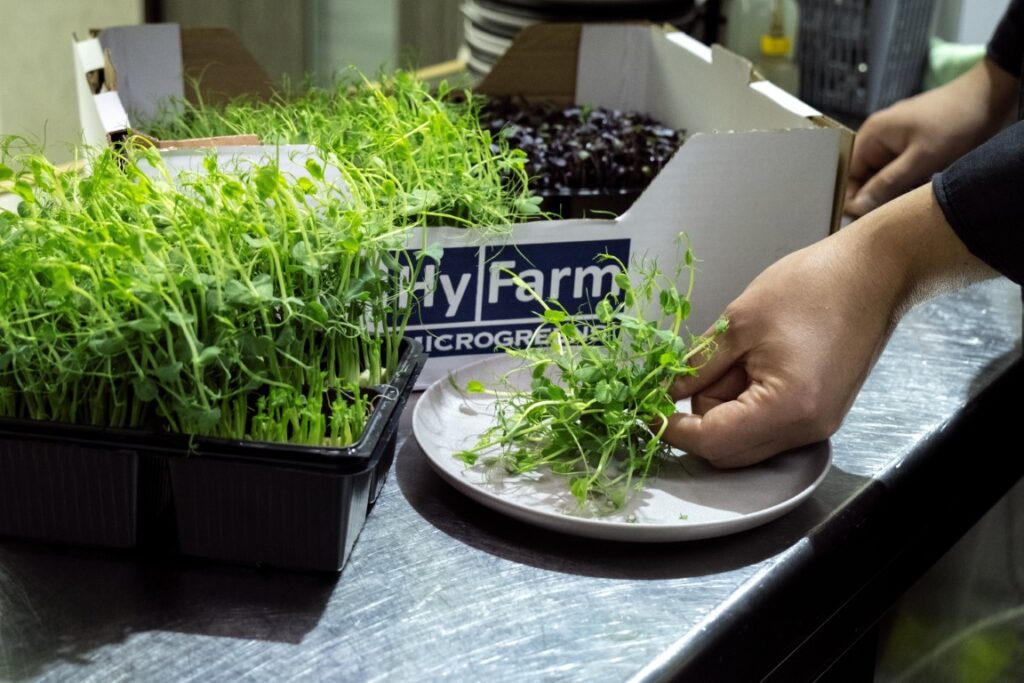
Hy-Farm microgreens in a real culinary setting. Photograph from the Hy-Farm archive. · 4 minute read
Imagine getting ready to speak to a chef about microgreens you would like to grow locally. You have looked at the menu and considered a few possible uses. Then the answer comes quickly: “We already have a supplier.”
Is it worth continuing? Yes, if the chef welcomes a brief conversation and there is something relevant to learn. That answer alone does not tell you whether the kitchen could use what you propose. There might be room for a different variety or use. The restaurant may also have exactly what it needs.
If you are exploring a microgreens business, learning to recognise both situations is part of the work.
Start with what already works
An existing supplier represents a relationship the restaurant has chosen to build. Respect it. You do not know the reasons behind that choice, and you have no basis for claiming your product would be better.
If the timing is suitable, ask: “What do you value most about the microgreens you use now?” The answer might concern flavour, format, varieties or delivery arrangements. Do not assume there is a complaint waiting to be uncovered. The question is useful because it lets the chef tell you what matters.
If they are busy, ask whether another time would be suitable. A useful conversation needs the other person's willingness as well as your preparation.
Look for a specific need
“Fresh, locally grown microgreens” may describe what you intend to offer. But why would that matter to this particular kitchen?
A more focused question is: “Is there a variety or use you have not yet found the right product for?” The answer could involve a new dish. The restaurant might have no interest in testing anything at present. These are possibilities, not facts about a real customer.
Listen before preparing an offer. A clearly expressed need gives you something to assess against your capabilities. A vague response does not justify growing ahead on the assumption that an order will follow.
Suggest a trial only when you can meet the need
If a specific interest emerges, the next step might be a relevant sample or a conversation about a trial. Agree what the kitchen wants to assess, who will try the product and when it makes sense to discuss the result.
Do not promise a variety, quantity or delivery day before checking that you can provide it reliably. If you are still evaluating the business and do not yet grow commercially, say so. A market research conversation should not sound like an offer that is available immediately.
A trial can help both sides assess fit. It is not a recurring order and should not enter your production plan as though it were one.
What the conversation could sound like
This is an illustrative example, not a documented restaurant conversation:
“I understand. What do you value most about the products you use now?”
If the reply shows willingness to continue, you might ask: “Is there anything you would like to try that you do not currently have?”
If a need appears that you can meet, discuss a specific next step. If the chef is happy with the current arrangement and does not want further proposals, thank them for their time. The questions should help you listen, rather than become a script you deliver regardless of the answers.
Record what you learned, including when there is no opportunity
Afterwards, make a short note of what the restaurant uses, what it values, whether it expressed a need and what next step you agreed. If the chef does not want further contact, record and respect that too.
“Already has a supplier” tells you very little about a market. “Happy with the current arrangement, no interest in other varieties and no further conversation requested” gives you a clear direction. So does “would like to assess a particular variety at the next menu change”, if that is what the chef actually said.
What this means when you are considering Hy-Farm
Building restaurant relationships remains the local operator's responsibility. Hy-Farm includes production, marketing and sales training, but does not provide guaranteed customers. Asking useful questions, listening and following through on agreed actions belong alongside growing in the work of running the business.
Before your next conversation, write down two questions for a chef: one about what already works and one about what could still be useful. Let the answers determine whether there is a next step.